Black pepper
Piper nigrum L.
Black pepper (Piper nigrum) is a woody climbing vine of the pepper family bearing spikes of berries that turn red when ripe; dried they become black or white pepper, the world's most important spice; native to the Malabar coast (India), with Vietnam the leading exporter.
No ratings yet — be the first!
Gallery
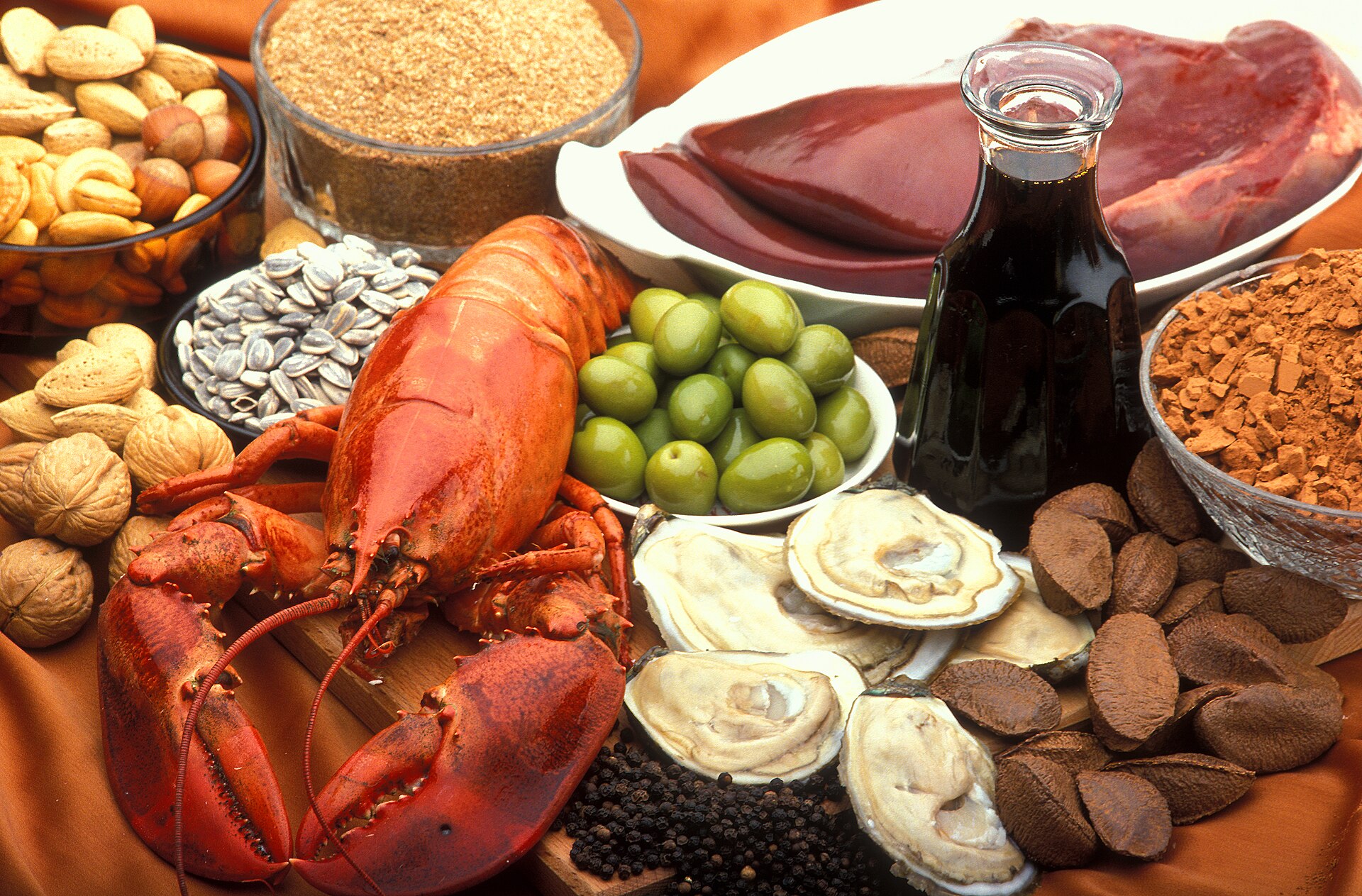
 Pepper — Black peppercorns (product)Hồ tiêu · ảnh 2
 Hồ tiêu (Piper nigrum)
 Hồ tiêu (Piper nigrum)
 Pepper — Green berry clusters
 Pepper — Green peppercornsPepper — Black peppercorns (product)Hồ tiêu · ảnh 2
Photo credits: Keith Weller, USDA ARS (Public domain)
Overview
An evergreen climber that anchors itself to support trees or poles with roots at the nodes. The berries grow in spikes 5 – 15 cm long and pass from green through yellow to red when ripe. The species originates on the Malabar coast of India; today Vietnam, Indonesia and India are the three largest producers.
Black pepper is made by sun-drying ripe green berries: polyphenol oxidase and fermentation blacken the skin while retaining piperine (2 – 7% of dry weight), the alkaloid responsible for pungency. White pepper is soaked and rubbed free of its outer skin; green pepper is dried quickly or otherwise preserved to keep its colour. Piperine also increases the absorption of several other compounds in the body.
Life cycle
From seed to productVine cutting
Planting material is a 2–3 node cutting taken from healthy mother vines, inserted into loose, moist soil at the base of a support.
Rooting & shoots
Roots form on the cutting after 3–6 weeks and new shoots emerge; the vine coils around the stake as young leaves expand.
Seedling
Young plants are set beside 1.8 – 2 m stakes or live support trees; the vine grips the trellis with roots at the nodes.
Mature plant
After 2 – 3 years the mature vine covers the trellis and begins to bear fruiting spikes.
Flowering & fruiting
Short spikes emerge from the leaf axils; the green berries swell and redden after about 6 – 9 months, when piperine peaks.
Harvest
Ripe spikes are picked and sun-dried until the skin blackens (black pepper); for white pepper the berries are soaked and rubbed clean of skin before drying.
Distribution & origin
Share of recorded occurrences by region- Vietnam38%
- Indonesia15%
- India11%
- Brazil7%
- Sri Lanka & Cambodia6%
- Other regions23%
Chemical composition
Relative content in agarwood resin- Piperine & alkaloidsPungency, 2 – 7% of dry weight32%
- Sesquiterpenes (β-caryophyllene)Main component of pepper oil28%
- Monoterpenes (limonene, sabinene)Fresh aromatic notes20%
- Flavonoids & phenolicsNatural antioxidants12%
- OthersTrace compounds8%
Uses
- Seasoning and marinades in world cuisines
- Piperine extracts for dietary supplements
- Traditional digestive medicine
- Pepper essential oil for fragrance and cosmetics
Properties
- Taste
- Pungent with a warm aftertaste
- Dried colour
- Wrinkled black (black pepper), ivory (white pepper)
- Max. moisture
- ≤ 12%
- Corn size
- Ø ≈ 3 – 5 mm
Habitat & conservation
Humid tropics with 1,500 – 2,000 mm of rain a year at 25 – 30 °C on slightly acidic, well-drained loam. It is semi-shade-tolerant and climbs by adventitious roots, so it needs support trees or a trellis.
Conservation
Not Evaluated (NE) by the IUCN. The species is widely grown commercially, while wild genetic resources on the Malabar coast are contracting as land is converted. Main cultivation risks are Phytophthora root rot, nematodes and mealybugs on the stakes.
References
- 1Pepper Statistics — Monthly Bulletin — , 2024
- 2FAOSTAT — Crops and livestock products — , 2023
- 3Plants of the World Online — Piper nigrum — , 2023
- 4Nguồn ảnh: Dcrjsr (CC BY 3.0) — Wikimedia Commons,
- 5Nguồn ảnh: Misterneedlemouse (CC0) / CC BY-SA 4.0 — Wikimedia Commons,