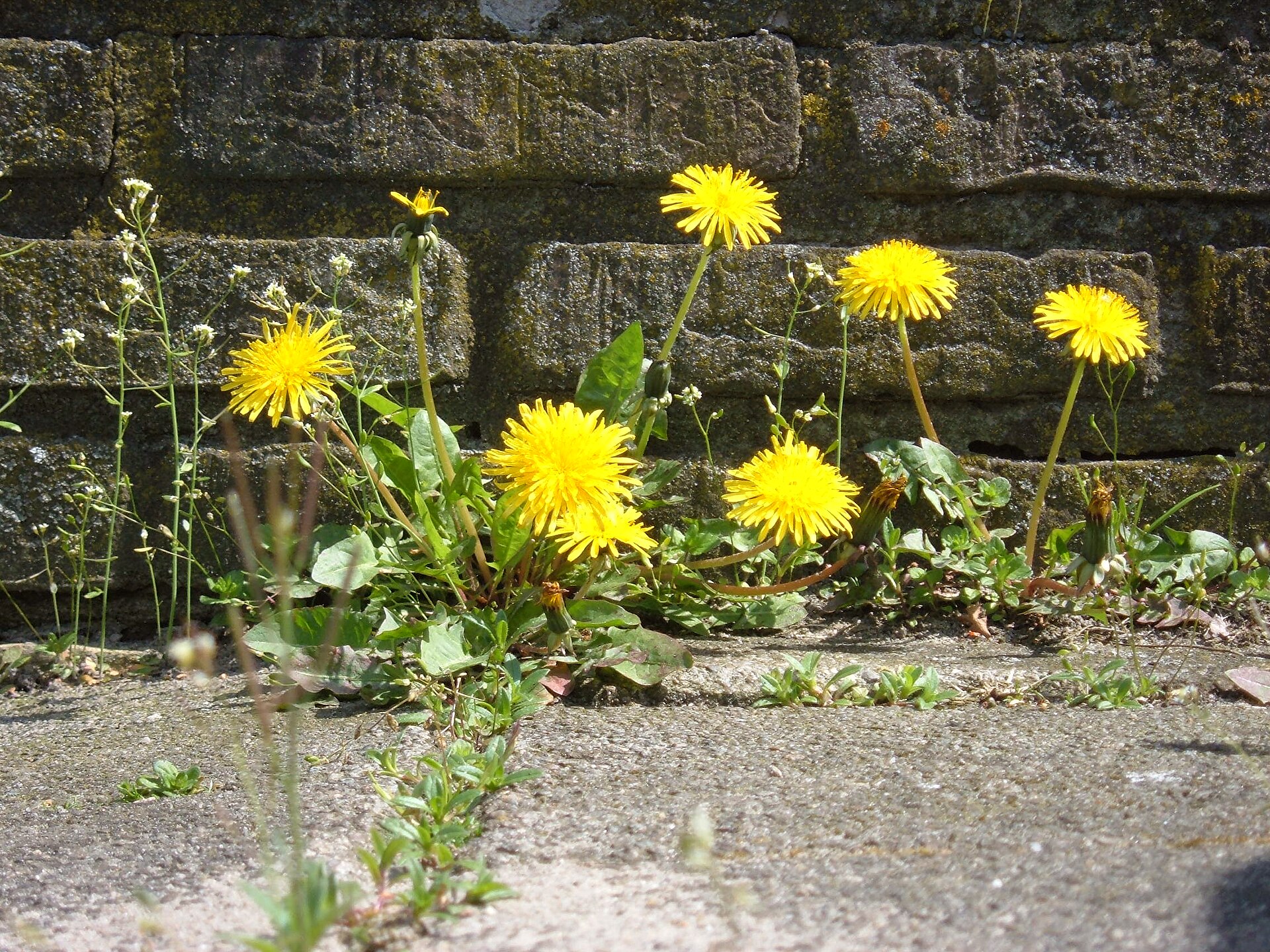
Dandelion
Taraxacum officinale F.H.Wigg
Dandelion is a temperate perennial with solitary yellow flowers and wind-borne seed heads; its inulin-rich root and young leaves are used as tea, food and traditional herbal medicine covered by EMA and ESCOP monographs.
No ratings yet — be the first!
Gallery
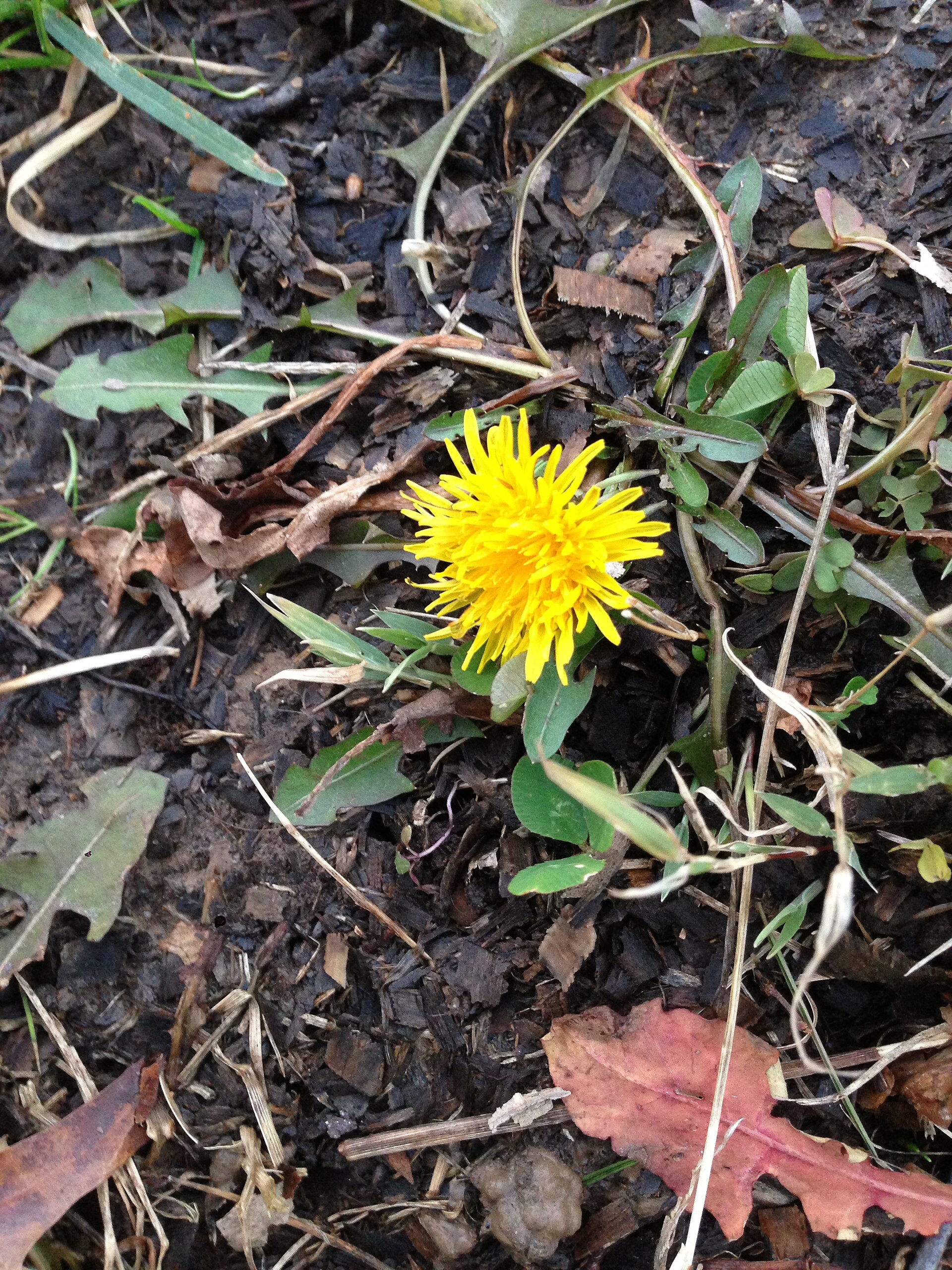 Dandelion · photo 3Dandelion · photo 1
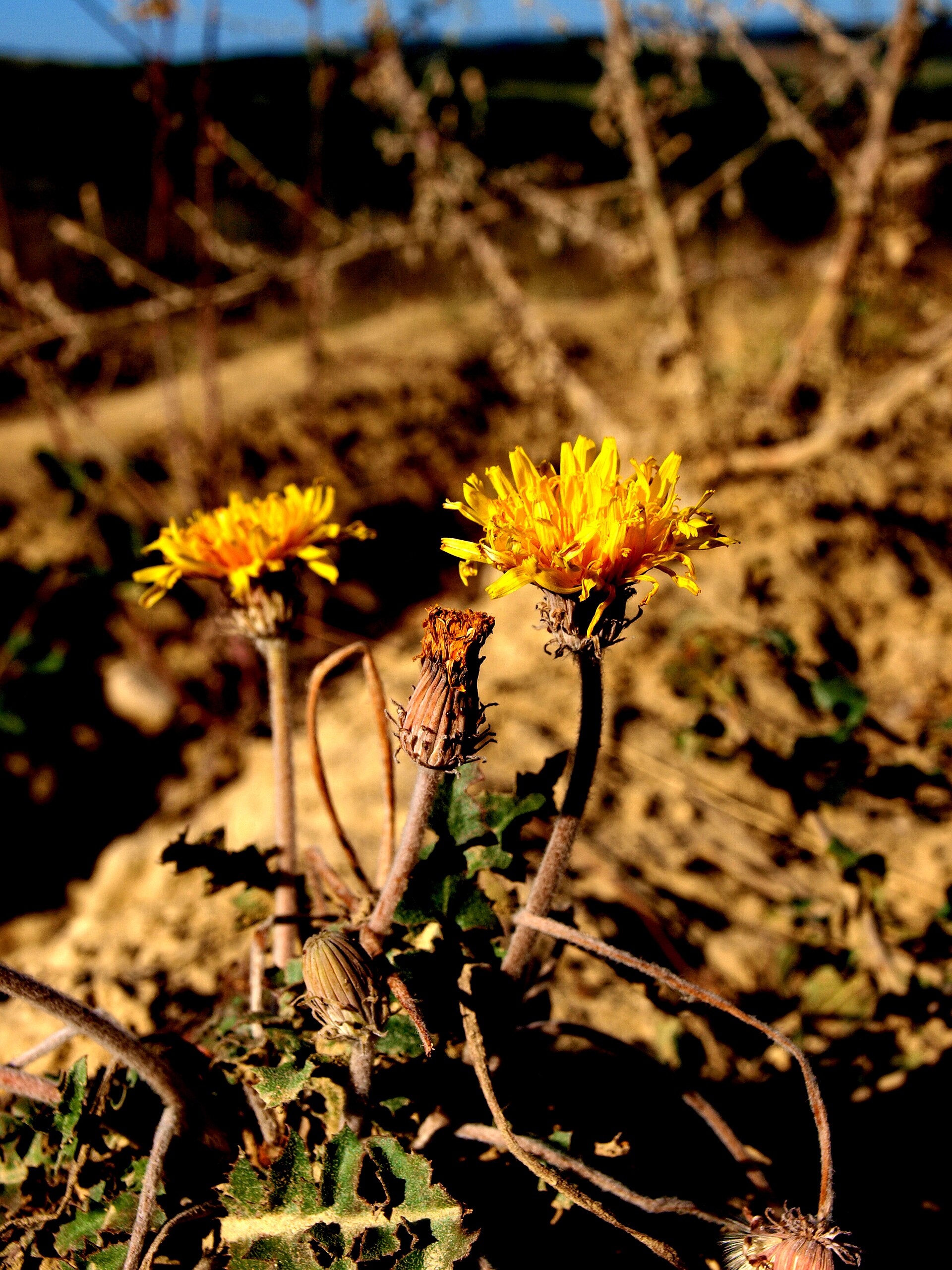 Wild dandelionsDandelion · photo 3Dandelion · photo 1
Photo credits: Kleuske (CC BY-SA 3.0) · This image is a work by Tsvetomira Zaharieva. When reusing, please credit me as: Tsvetomira Zaharieva or plain © cwet4e. I would appreciate being notified if you use her work outside Wikimedia. Do not copy this image illegally by ignoring the terms of the license below, as it is not in the public domain. If you would like special permission to use, license, or purchase the image please contact me to negotiate terms. More of Tsveti's pictures could be found here. (CC BY-SA 3.0) · Famartin (CC BY-SA 4.0)
Overview
Dandelion (Taraxacum officinale) is a long-lived perennial herb forming a basal rosette of deeply toothed leaves — the source of the name 'lion's tooth'. Solitary yellow flower heads on hollow stalks open in daylight and close in dull weather, later ripening into the familiar 'dandelion clock' of plume-bearing fruits dispersed by wind. The taproot is long, fleshy and filled with milky latex; the flowering stalk reaches only 5–40 cm.
According to Plants of the World Online (Kew), the native range spans Macaronesia, Europe to Siberia and North-West Africa; from there it has spread across temperate North and South America, Oceania and Asia. It is a taxonomically complex aggregate of hundreds of apomictic microspecies, and botanists often treat it as the collective Taraxacum officinale agg. (Taraxacum sect. Taraxacum) rather than a single species.
The root stores inulin — a fructan polysaccharide making up 2–40% of dry weight, lowest in early spring and highest in autumn — together with taraxasterol, taraxacin, sterols and phenolics; the leaves are rich in carotenoids (β-carotene, lutein), vitamin C and K, and minerals (potassium, calcium, iron). Latex contains bitter lactucin and taraxacoside, which stimulate digestion. Inulin is a prebiotic that resists small-intestinal digestion and feeds beneficial colonic bacteria.
Dandelion is used as leaf and root tea, roasted root as a caffeine-free coffee substitute, young leaves raw or cooked, and flowers in wine. European traditional medicine uses the root as a diuretic, cholagogue and digestive aid, and both the EMA and ESCOP hold root monographs. A human study found a single-day diuretic effect of leaf extract (Clare, 2009); reviews note antioxidant, anti-inflammatory and glucose-lowering potential, though high-quality clinical evidence remains limited (Schütz, 2006; González-Castejón, 2012).
Dandelion is generally considered safe; the main adverse reactions are allergy in people sensitive to Asteraceae and, rarely, mild digestive upset. Those taking diuretics or glucose-lowering drugs, or with gallstones, should seek professional advice. For conservation, the IUCN Red List has not globally assessed the species (NE), and extinction-risk modelling (Bachman et al., 2024) predicts it is 'not threatened' with confident certainty; it is a cosmopolitan weed that in many places is controlled rather than conserved.
Life cycle
From seed to productSeed
Dandelion seeds are plumed, gathered into white seed heads and carried kilometres on the wind.
Germination
On landing, seeds germinate quickly on bare, moist soil.
Seedling
After germination the seedling forms a ground-hugging rosette of toothed leaves while the young taproot begins to sink in.
Mature plant
Standing 5–40 cm tall, the mature plant keeps a rosette of toothed leaves that captures light year-round while the long taproot accumulates inulin.
Flowering & seeding
Yellow flowers appear year-round, more abundantly in warmth; after 5–10 days each flower becomes a white, wind-borne sphere of seeds.
Harvest
Roots are lifted in autumn when inulin peaks, washed, dried and roasted for coffee-style drinks or prepared as herbal material.
Distribution & origin
Share of recorded occurrences by region- Europe – Asia (native)35%
- North America25%
- Oceania (Australia · New Zealand)13%
- South America12%
- Africa8%
- Other regions7%
Chemical composition
Relative content in agarwood resin- Polysaccharides (inulin)Main storage compound of the root40%
- Triterpenoids (taraxasterol)Marker triterpene20%
- Phenolics & flavonoidsAntioxidant constituents20%
- Sterols & fatty acidsMinor lipids10%
- Others (carotenoids, minerals)Leaf micronutrients10%
Uses
- Leaf and root tea, widely drunk in Europe and Asia
- Roasted root as a caffeine-free coffee substitute
- Food: young leaves in salads or cooked; flowers in liqueur
- Traditional herb with EMA and ESCOP monographs (diuretic, digestive aid)
- Clinically studied for diuretic and metabolic/glucose effects (evidence still limited)
- Root inulin used as a prebiotic functional-food ingredient
Properties
- Flower
- Yellow, solitary on hollow stalks
- Taste
- Leaves mildly bitter, root mildly sweet
- Aroma
- Roasted root smells coffee-like
Habitat & conservation
Grasslands, pastures, disturbed ground and roadsides; grows on almost any soil, preferring neutral pH and full sun, from lowlands to above 2,000 m. It tolerates cold, moderate drought and compacted soil.
Conservation
The IUCN Red List does not include Taraxacum officinale globally (NE – Not Evaluated); extinction-risk modelling in 2024 (Bachman et al.) predicts it is not threatened with confident certainty. A near-cosmopolitan weed requiring no conservation, it is classified as a species to control in North America, New Zealand and elsewhere.
References
- 1Taraxacum sect. Taraxacum F.H.Wigg. — Plants of the World Online — Kew Royal Botanic Gardens, 2026
- 2Kew Species Profiles — Taraxacum officinale (dandelion) — Kew Royal Botanic Gardens, 2024
- 3The IUCN Red List of Threatened Species — Taraxacum officinale (not globally assessed, NE) — IUCN, 2026
- 4Extinction risk predictions for the world's flowering plants (Bachman et al.) — New Phytologist, 2024
- 5European Union herbal monograph on Taraxacum officinale F.H. Wigg., radix — EMA (HMPC), 2021
- 6Taraxaci radix (Dandelion root) — ESCOP, 2024
- 7Taraxacum — a review on its phytochemical and pharmacological profile (Schütz et al.) — Journal of Ethnopharmacology, 2006
- 8Diverse biological activities of dandelion (González-Castejón et al.) — Nutrition Reviews, 2012
- 9The diuretic effect in human subjects of an extract of Taraxacum officinale folium over a single day (Clare et al.) — Journal of Alternative and Complementary Medicine, 2009
- 10The physiological effects of dandelion (Taraxacum officinale) in type 2 diabetes (Wirngo et al.) — Review of Diabetic Studies, 2016