Licorice
Glycyrrhiza uralensis Fisch. ex DC.
Licorice (Glycyrrhiza uralensis) is a perennial legume whose roots contain glycyrrhizin, a saponin about 50 times sweeter than sucrose. A 'national elder' of Chinese medicine, it is widely studied for antiviral, anti-inflammatory and hepatoprotective activity.
No ratings yet — be the first!
Gallery
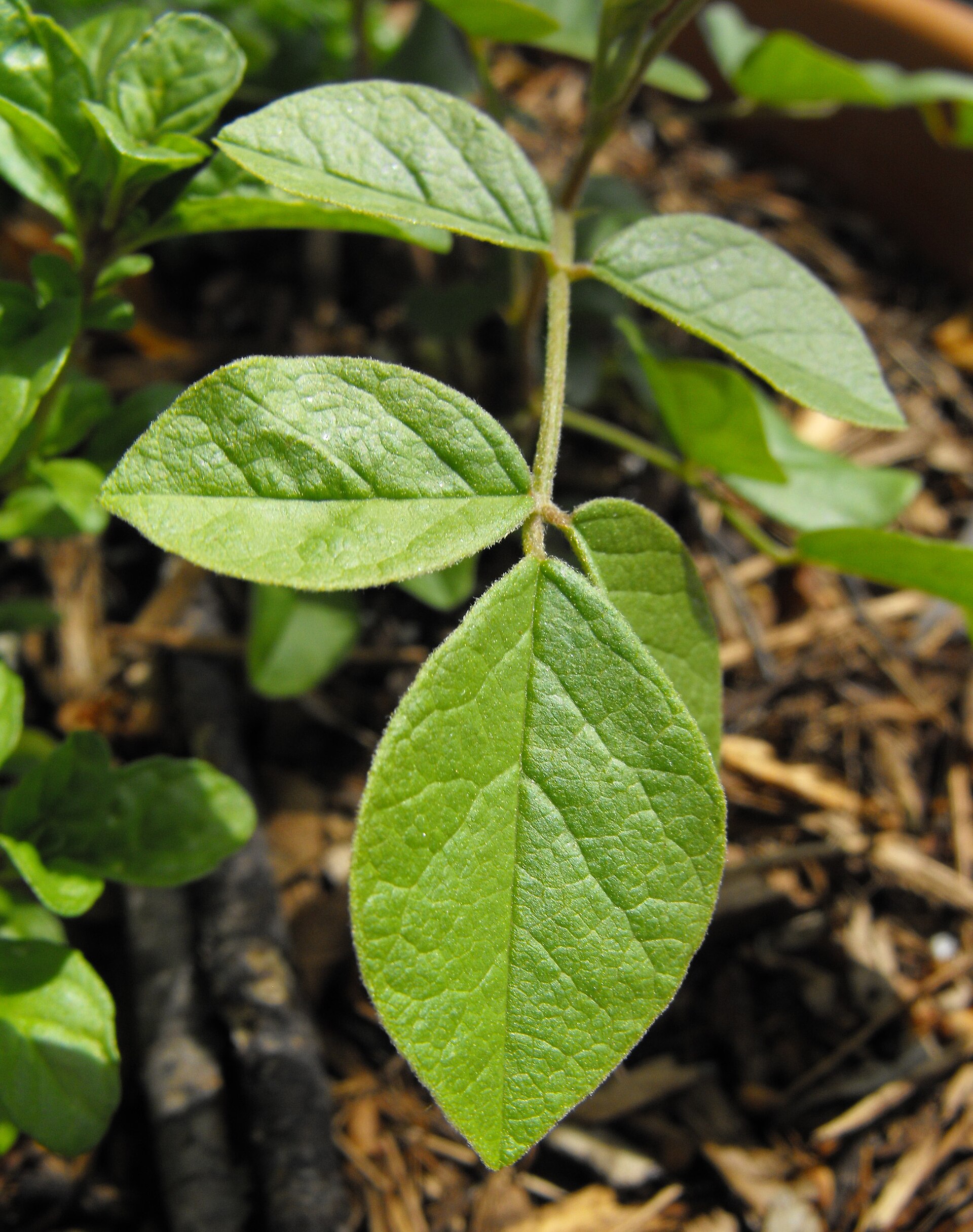
 Pinnate green leavesLicorice roots
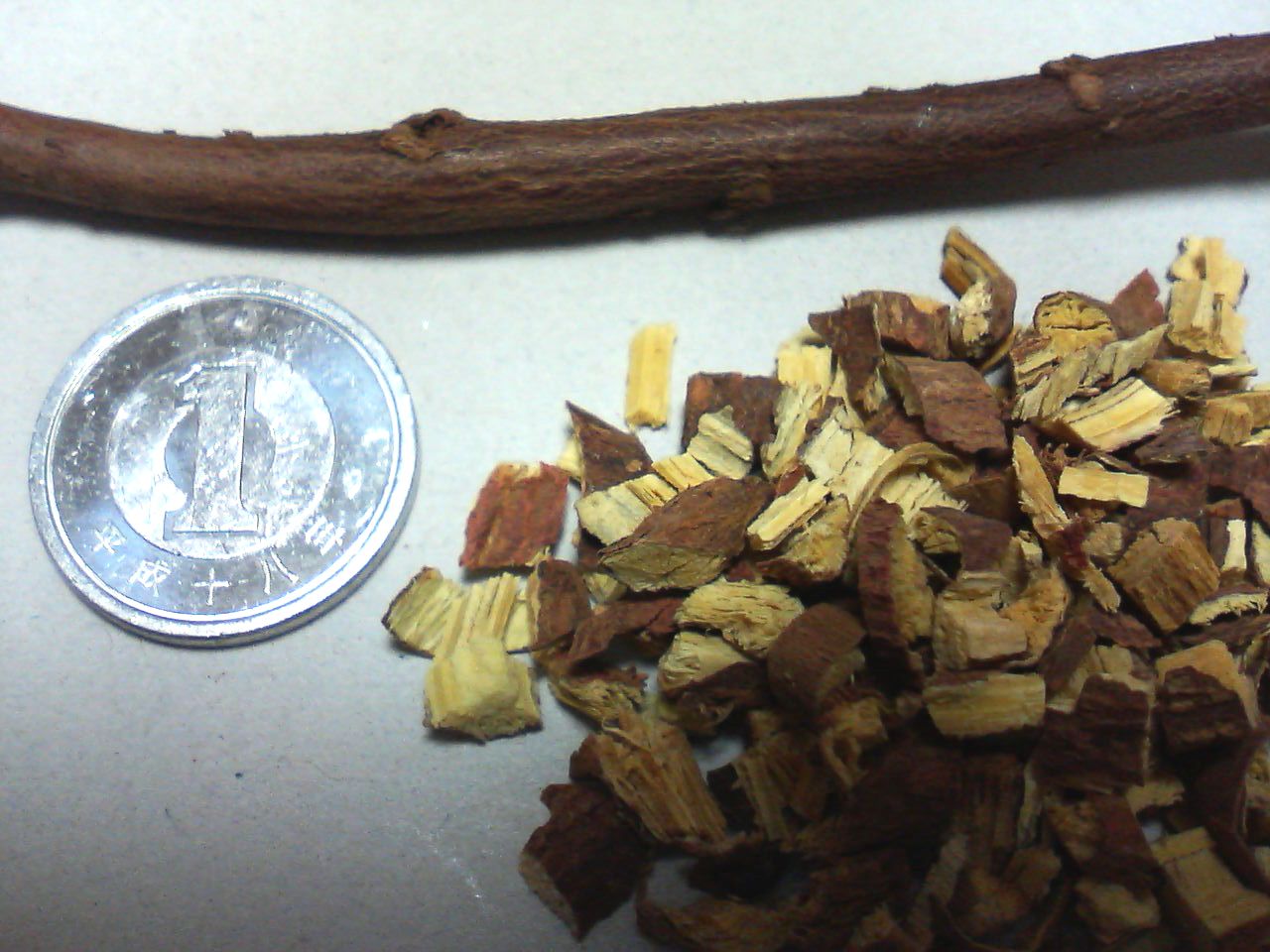
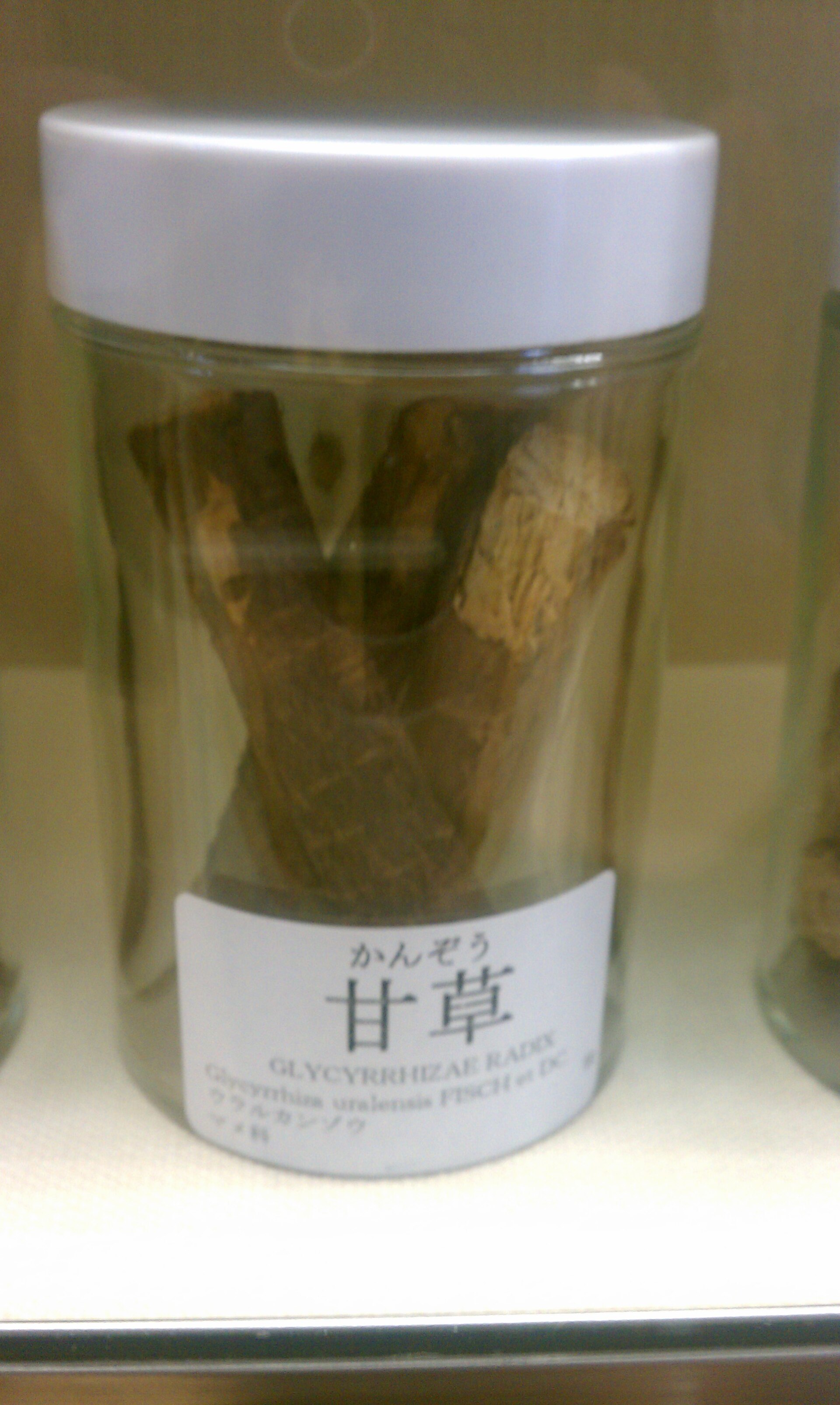 Cut, dried root piecesPinnate green leavesLicorice roots
Photo credits: Stickpen (Public domain) · Tanohei at Japanese Wikipedia (CC BY 3.0) · Hanabishi (CC BY-SA 3.0)
Overview
Licorice is a perennial herb 30–100 cm tall with a thick taproot and rhizome, light-brown bark and bright-yellow root flesh. Its odd-pinnate leaves bear 3–7 pairs of ovate leaflets with entire margins and sticky glandular dots beneath. Flowers sit in axillary racemes, bilaterally symmetrical (papilionaceous) and violet to deep purple; the plant flowers from June to August and forms curved pods with 2–8 seeds.
According to Kew POWO and World Flora Online, Glycyrrhiza uralensis is native to temperate Asia: northern and north-western China (Inner Mongolia, Xinjiang, Gansu, Ningxia, Qinghai), Mongolia, Central Asia (Kazakhstan, Kyrgyzstan, Tajikistan), southern Siberia, Afghanistan and Pakistan; it is introduced in Korea. The genus Glycyrrhiza holds about 20 species, five of which synthesise glycyrrhizin: G. uralensis, G. glabra, G. inflata, G. aspera and the North American G. lepidota.
The root contains more than 400 secondary metabolites, dominated by triterpenoid saponins with glycyrrhizin (glycyrrhizic acid) at 2–14% (typically 3–5%); in the gut it is hydrolysed to the aglycone 18β-glycyrrhetinic acid. Flavonoids include liquiritin, isoliquiritigenin and licochalcone, alongside polysaccharides, coumarins and phenolic acids. In 2025 a 415 Mbp reference genome of G. uralensis was published, opening the way for breeding and biotechnological production of glycyrrhizin.
In Chinese medicine licorice is called the 'national elder' for harmonising and potentiating other herbs; in the West the root has long flavoured confectionery, tobacco and beverages. Diammonium glycyrrhizinate is used to treat chronic hepatitis B and C. Modern studies show glycyrrhizin and 18β-glycyrrhetinic acid have antiviral activity (SARS-CoV-2, HSV, HBV, HCV, influenza), anti-inflammatory effects via NF-κB and MAPK inhibition, plus antioxidant and hepatoprotective actions; 2023 reviews synthesise this preclinical and clinical evidence.
High or prolonged licorice intake can cause pseudoaldosteronism: hypertension, hypokalaemia, oedema and fluid retention; it should be avoided in hypertension, kidney disease and pregnancy. The European Medicines Agency (EMA) limits glycyrrhizic acid intake to about 100 mg/day. The species is Not Evaluated (NE) by the IUCN, yet over-harvesting of wild roots in Central Asia and northern China has reduced populations; medicinal supply now comes mainly from cultivation, and the plant is also used to fix sand and curb desertification.
Life cycle
From seed to productSeed
Licorice seeds have a hard coat and usually need warm-water soaking before sowing into warm, moist soil.
Germination
Treated seeds germinate within one to two weeks in warm, moist soil.
Seedling
Seedlings grow erect, unfold pinnate leaves and begin fixing atmospheric nitrogen through root-nodule bacteria, typical of legumes.
Mature plant
After one to two years the plant reaches 30–100 cm and flowers in violet spikes while the taproot deepens and accumulates glycyrrhizin.
Harvest
After 3–4 years roots are dug in autumn, cut into sections, dried and stored as medicinal material.
Distribution & origin
Share of recorded occurrences by region- China (Xinjiang · Inner Mongolia · Gansu)45%
- Mongolia20%
- Central Asia (Kazakhstan · Kyrgyzstan · Tajikistan)15%
- Russia (Siberia · European south)12%
- Afghanistan · Pakistan5%
- Other (introduced to Korea)3%
Chemical composition
Relative content in agarwood resin- Glycyrrhizin (glycyrrhizic acid)Sweet saponin, marker compound30%
- Flavonoids (liquiritin, isoliquiritigenin)Anti-inflammatory, antioxidant polyphenols25%
- Other triterpenoid saponinsLicorice-saponins, uralsaponins15%
- PolysaccharidesImmunomodulatory15%
- Phenolic acidsAntioxidant8%
- Others (coumarins, sterols)Minor constituents7%
Uses
- Traditional Chinese medicine — harmonising and potentiating formulas
- Flavouring confectionery, beverages and tobacco
- Glycyrrhizin extract as a natural sweetener and excipient
- Glycyrrhizinate preparations for chronic hepatitis
- Research on antiviral, anti-inflammatory and hepatoprotective effects
- Sand-fixing and desertification control in arid zones
Properties
- Taste
- Strong, lingering sweetness
- Colour
- Pale yellow to light brown (dried root)
- Used part
- Root and rhizome
Habitat & conservation
Grasslands, roadsides, riverbanks and solonetzic slopes on calcareous sandy loam in temperate semi-arid zones; sun-loving and tolerant of drought and cold.
Conservation
Glycyrrhiza uralensis is Not Evaluated (NE) on the IUCN Red List. Wild roots have been over-harvested in Central Asia and northern China, and China has listed it among key wild plants for protection. Medicinal supply now comes mainly from cultivation; the plant also plays an ecological role in sand fixation and desertification control.
References
- 1WHO Monographs on Selected Medicinal Plants, Vol. 1 — Radix Glycyrrhizae — World Health Organization (WHO), 1999
- 2Community herbal monograph on Glycyrrhiza glabra L. and/or G. inflata Bat. and/or G. uralensis Fisch., radix — EMA (HMPC), 2012
- 3Pharmacopoeia of the People's Republic of China — Glycyrrhizae Radix — Chinese Pharmacopoeia, 2020
- 4Plants of the World Online — Glycyrrhiza uralensis Fisch. ex DC. — Kew Science, 2024
- 5Zuo J. et al. A Review of the Antiviral Activities of Glycyrrhizic Acid, Glycyrrhetinic Acid and GAMG. Pharmaceuticals 16(5):641 — Pharmaceuticals (MDPI), 2023
- 6Mittal A. et al. Recent Advances in the Pharmacological Activities of Glycyrrhizin, Glycyrrhetinic Acid and Their Analogs. Rev. Bras. Farmacogn. 33:1154–1169 — Revista Brasileira de Farmacognosia, 2023
- 7Contributions of interspecific hybrids to genetic variability in Glycyrrhiza uralensis and G. glabra. Scientific Reports 15:92115-4 — Scientific Reports (Nature), 2025
- 8World Flora Online — Glycyrrhiza uralensis — World Flora Online, 2024