Cassia
Cinnamomum cassia (L.) J.Presl
Cassia cinnamon (Cinnamomum cassia) is a small evergreen tree of the laurel family; its bark and leaves yield fragrant essential oil, and the dried rolled bark is the familiar cinnamon of cooking and traditional medicine; native to southern China–Southeast Asia, grown widely in Yên Bái and Quảng Nam (Vietnam).
No ratings yet — be the first!
Gallery
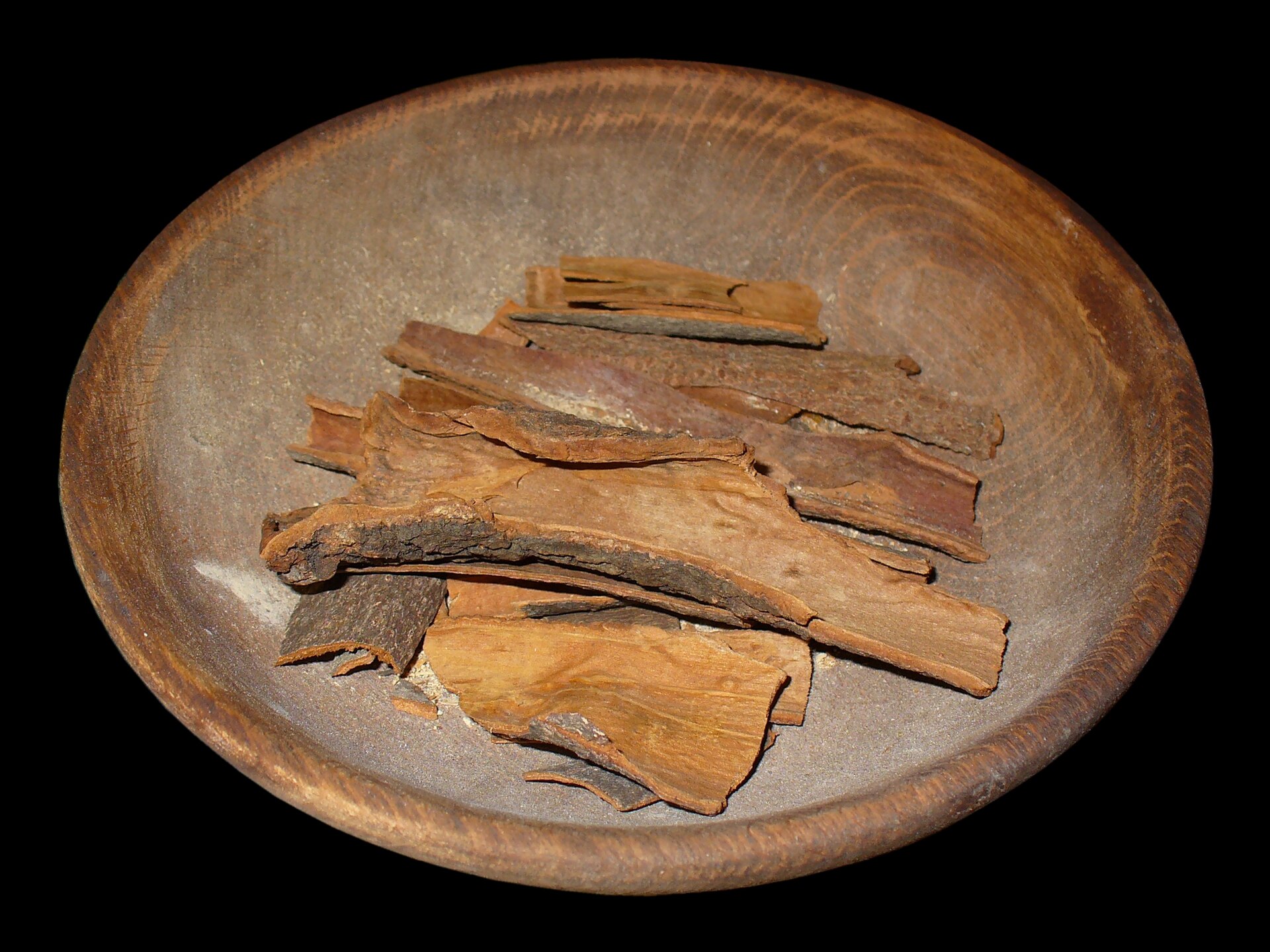
 Cassia — Flowering branch (illustration)Vỏ quế phơi khô
 Quế · ảnh 2
 Vườn quế
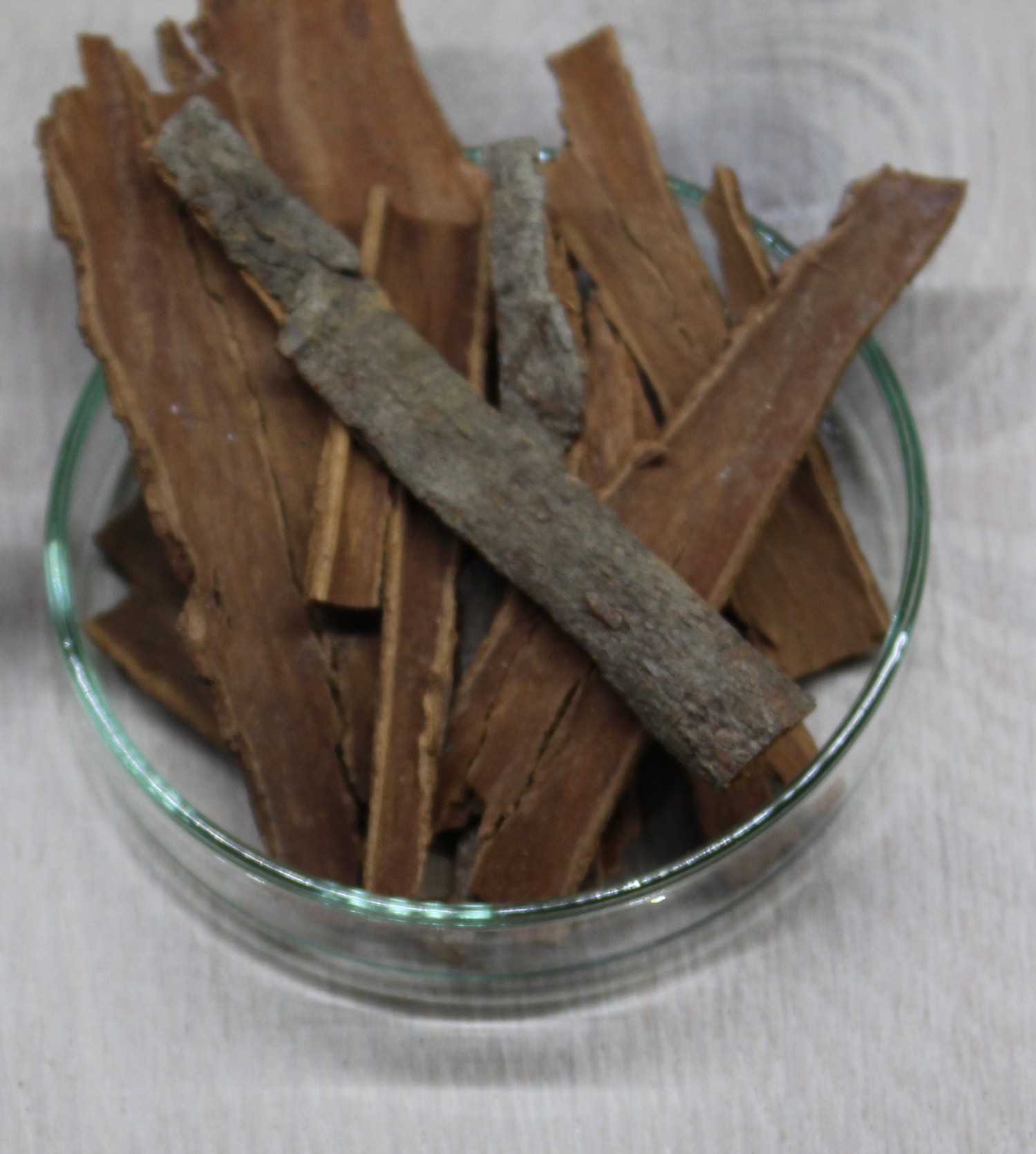
 Cassia — Bark rolls (cinnamon sticks)
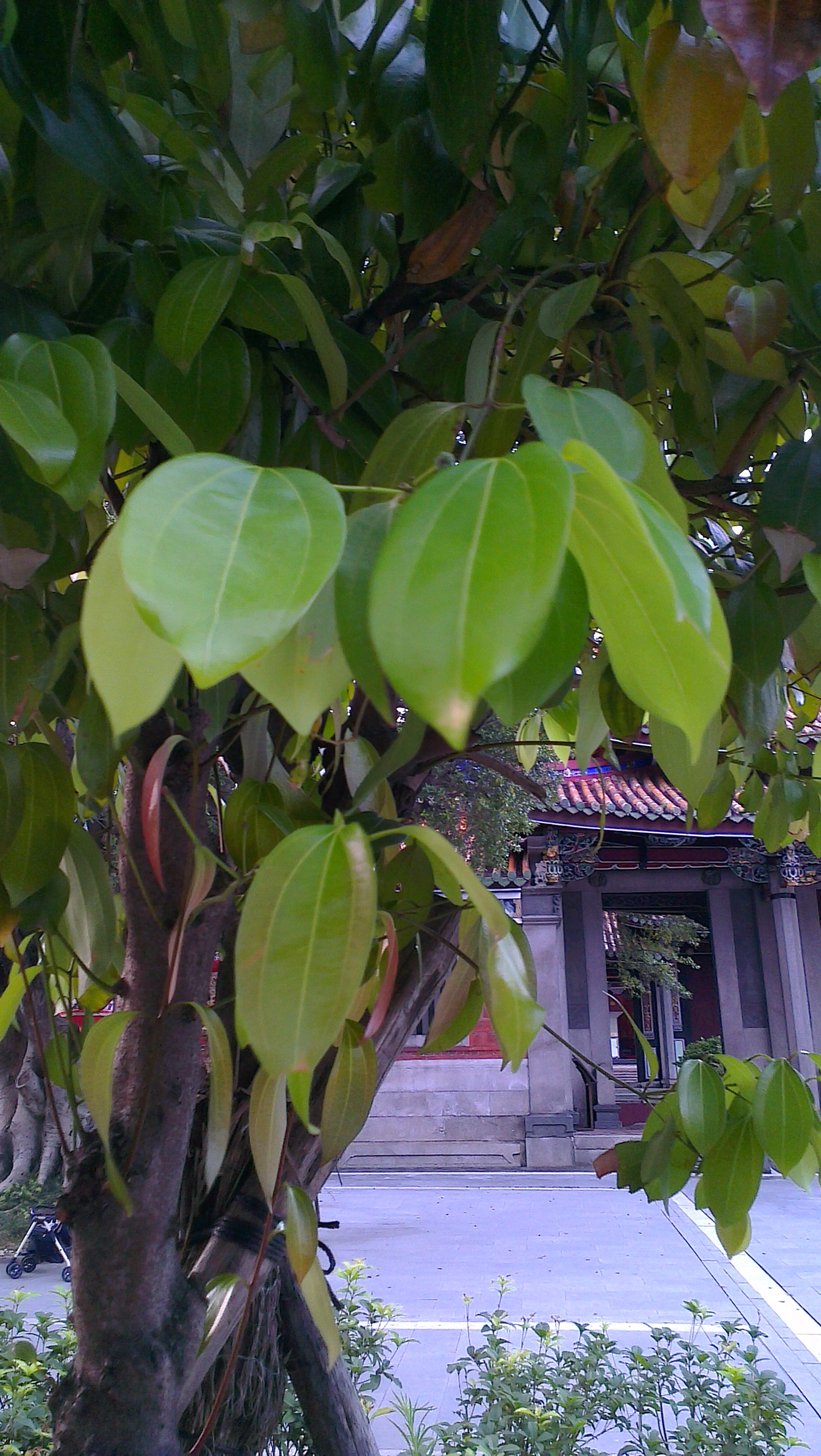
 Cassia — LeavesCassia — Flowering branch (illustration)Vỏ quế phơi khô
Photo credits: H. Zell (CC BY-SA 3.0) · Honmingjun (CC BY-SA 3.0) · Deror_avi (CC BY-SA 3.0)
Overview
Cassia is an evergreen tree 10–20 m tall with a straight trunk; young bark is greyish-green and matures to thick, brittle reddish-brown. Leaves are alternate to subopposite, oval to lanceolate, 8–16 cm long, glossy above and slightly glaucous beneath; small greenish-yellow flowers cluster in leaf axils and the fruit is an ovoid berry with a single seed. Stripped, dried and thinly sliced bark is the usual commodity; cassia quills are rolled from one thick bark layer rather than the many thin layers of Ceylon cinnamon.
Per Kew POWO (WCVP), Cinnamomum cassia (accepted name C. aromaticum Nees) is native to southern China — Guangdong, Guangxi, Fujian, Guizhou, Yunnan — and Vietnam (Lang Son, Cao Bang). From there it is cultivated and introduced across Southeast Asia, South Asia, Taiwan, Hainan and the Caribbean. Yunnan and Guangxi are the main producing areas, while Vietnam is known for Tra My and Lang Son cassia.
Bark oil contains 70–90% trans-cinnamaldehyde — the signature sweet-spicy compound — together with β-caryophyllene, linalool, eugenol, ethyl cinnamate and benzaldehyde. Beyond the oil, the bark also holds coumarin (cinnamomin, cassin), polysaccharides and minor flavonoids; more than 160 phytochemicals have been isolated from the species (Zhang et al., Molecules, 2019). Coumarin levels in cassia bark are markedly higher than in Ceylon cinnamon (C. verum), a key safety distinction between the two.
Cinnamaldehyde shows antibacterial, antifungal and antioxidant activity in numerous studies, and bark extract improved glycaemic control in type 2 diabetic patients in a meta-analysis by Allen et al. (Annals of Family Medicine, 2013). Cassia essential oil inhibited the enzyme tyrosinase — a skin-brightening research direction — per Chang et al. (Botanical Studies, 2013). Culinarily, cassia flavours braises, baked goods, coffee and five-spice; industrially its oil is a food flavouring, perfumery, soap and natural preservative, while the bark is the traditional Chinese medicine 'rougui'.
Because of its coumarin content, the European food safety body (EFSA, 2004) set a tolerable daily intake (TDI) of 0.1 mg/kg body weight; cassia at ordinary culinary doses is safe, but prolonged high-dose supplements should be avoided, especially with anticoagulants, in young children and in pregnancy. Cinnamomum cassia is Not Evaluated (NE) by the IUCN: most traded bark comes from plantations and home gardens with steadily growing output; in Vietnam, cassia is a key forest crop that helps replace natural-timber extraction in the northern highlands.
Life cycle
From seed to productSeed
Cassia seed develops inside a small dark-ripe berry, one seed per fruit; it is sown in warm, moist soil and kept evenly damp until germination.
Germination
Seed germinates in warm soil that is kept constantly moist; newly emerged sprouts need light cover so harsh sun does not dry them out.
Seedling
The young plant prefers light shade and high humidity in its early years, growing into glossy-leaved clumps; roots deepen as aromatic oils begin accumulating in bark and leaves.
Mature plant
After several years the tree reaches 10–20 m with thick reddish-brown bark whose cinnamaldehyde content reaches commercial level.
Harvest
Bark is stripped, sun- or machine-dried, then sold as spice or steam-distilled into cinnamon oil.
Distribution & origin
Share of recorded occurrences by region- China (Guangdong · Guangxi · Fujian · Guizhou · Yunnan)50%
- Vietnam20%
- Indonesia (cultivated)10%
- India (cultivated)7%
- Sri Lanka (minor cultivation)5%
- Thailand · Laos · Myanmar · Cambodia8%
Chemical composition
Relative content in agarwood resin- CinnamaldehydeSweet-spicy cinnamon note; main antimicrobial principle80%
- β-CaryophylleneWoody-spicy sesquiterpene6%
- LinaloolLight floral monoterpene5%
- EugenolClove-like warmth4%
- Coumarin & derivativescinnamomin/cassin; safety caution at high doses2%
- OthersEthyl cinnamate, benzaldehyde, α-pinene…3%
Uses
- Spice for braises, baked goods, coffee and five-spice blends
- Traditional medicine: bark (Cortex Cinnamomi) in Chinese medicine
- Food flavouring and natural preservative from the oil
- Material for perfumery, soap, toothpaste and cosmetics
- Cinnamaldehyde extracts studied for antimicrobial and antidiabetic effects
- Insect attractant and repellent in agriculture
Properties
- Bark colour
- Reddish to dark brown
- Scent
- Warm, sweet, spicy
- Taste
- Pungent with a sweet finish
- Distillation
- Steam distillation of dried bark
Habitat & conservation
Subtropical evergreen forest and moist lowland on deep, friable, well-drained soils, usually below 1,000 m; warm- and moisture-loving, tolerating a short dry season but not frost. It is planted on hillsides and in home gardens, often within agroforestry systems.
Conservation
Not Evaluated (NE) by the IUCN. Wild populations in southern China and Vietnam have contracted through forest loss and bark harvesting, but commercial volume comes mainly from expanding plantations (Guangxi, Yunnan, Lang Son, Yen Bai…). Conservation directions are control of native seed sources, replacement planting and traceability.
References
- 1Cinnamomum cassia Presl: A Review of Its Traditional Uses, Phytochemistry, Pharmacology and Toxicology — , 2019
- 2Cinnamon use in type 2 diabetes: an updated systematic review and meta-analysis — , 2013
- 3Plants of the World Online — Cinnamomum aromaticum Nees — , 2026
- 4Flora of China — Cinnamomum cassia (Lauraceae) — , 2008
- 5Coumarin in flavourings and other food ingredients with flavouring properties — , 2004
- 6Chemical composition and tyrosinase inhibitory activity of Cinnamomum cassia essential oil — , 2013
- 7Pharmacopoeia of the People's Republic of China — Cortex Cinnamomi (肉桂) — , 2020
- 8High daily intakes of cinnamon: Health risk cannot be ruled out (Assessment No. 044/2006) — , 2006
- 9Nguồn ảnh: NanaYawBotar / Honmingjun (CC BY-SA 4.0 / 3.0) — Wikimedia Commons,
- 10Nguồn ảnh: Franz Eugen Köhler (Atlas, CC BY 2.5) — Wikimedia Commons,