

Gallery
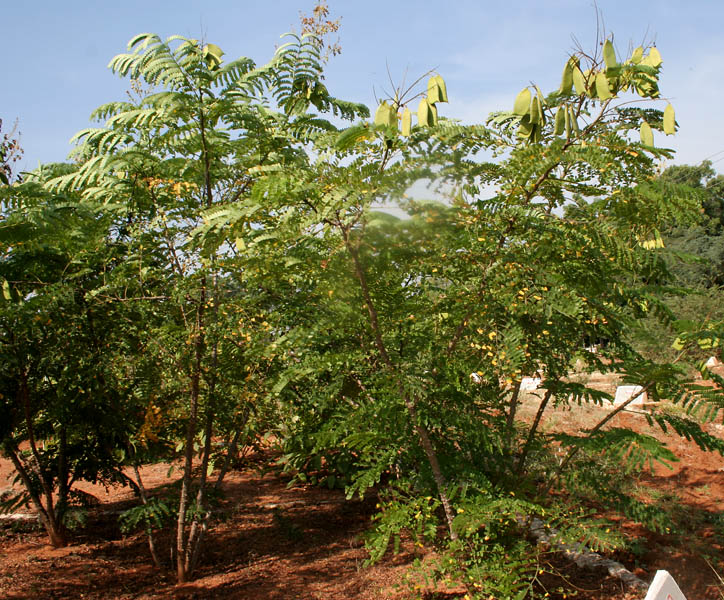 Sappanwood barkSappanwood
 Sappanwood
 Sappanwood
 Sappanwood
 Sappanwood bark
 Sappanwood barkSappanwood barkSappanwood
Overview
Biancaea sappan is a species of flowering tree in the legume family, Fabaceae, that is native to tropical Asia. Common names in English include sappan (after Malay sepang), sappanwood and Indian redwood. It was previously ascribed to the genus Caesalpinia. Sappanwood is related to brazilwood (Paubrasilia echinata), and was itself called brasilwood in the Middle Ages.
Updated by lebachungtdh@gmail.com · 10/15/2026
It is native to Nepal and the eastern Himalayas, northeastern India, Bangladesh, and Indochina. It has been introduced to much of the Indian Subcontinent, southern China, Malesia, Papuasia, and parts of tropical Africa.
Updated by lebachungtdh@gmail.com · 10/15/2026
The species was first described as Caesalpinia sappan by Carl Linnaeus in 1753. In 1875 Agostino Todaro placed the species in genus Biancaea as B. sappan.
Updated by lebachungtdh@gmail.com · 10/15/2026
Biancaea sappan can be infected by twig dieback (Lasiodiplodia theobromae).
Updated by lebachungtdh@gmail.com · 10/15/2026
Habitat & conservation
Biancaea sappan is a species of flowering tree in the legume family, Fabaceae, that is native to tropical Asia. It is native to Nepal and the eastern Himalayas, northeastern India, Bangladesh, and Indochina.
Conservation
Sappanwood has not been assessed by the IUCN Red List (NE). As a medicinal plant, it benefits from sustainable collection and propagation to protect wild genetic resources.
References
- 1Wikipedia – Biancaea sappan — Wikipedia,
- 2Kew POWO – Biancaea sappan — Plants of the World Online (Kew),
- 3Wikidata – Q56088062 — Wikidata,