Blue gum
Eucalyptus globulus Labill.
Blue gum (Eucalyptus globulus) is a large tree native to south-eastern Australia, producing leaf oil rich in eucalyptol (1,8-cineole) at 70–85% and ranking among the world's most widely planted pulp and timber trees.
No ratings yet — be the first!
Gallery
 Blue gum — Leaves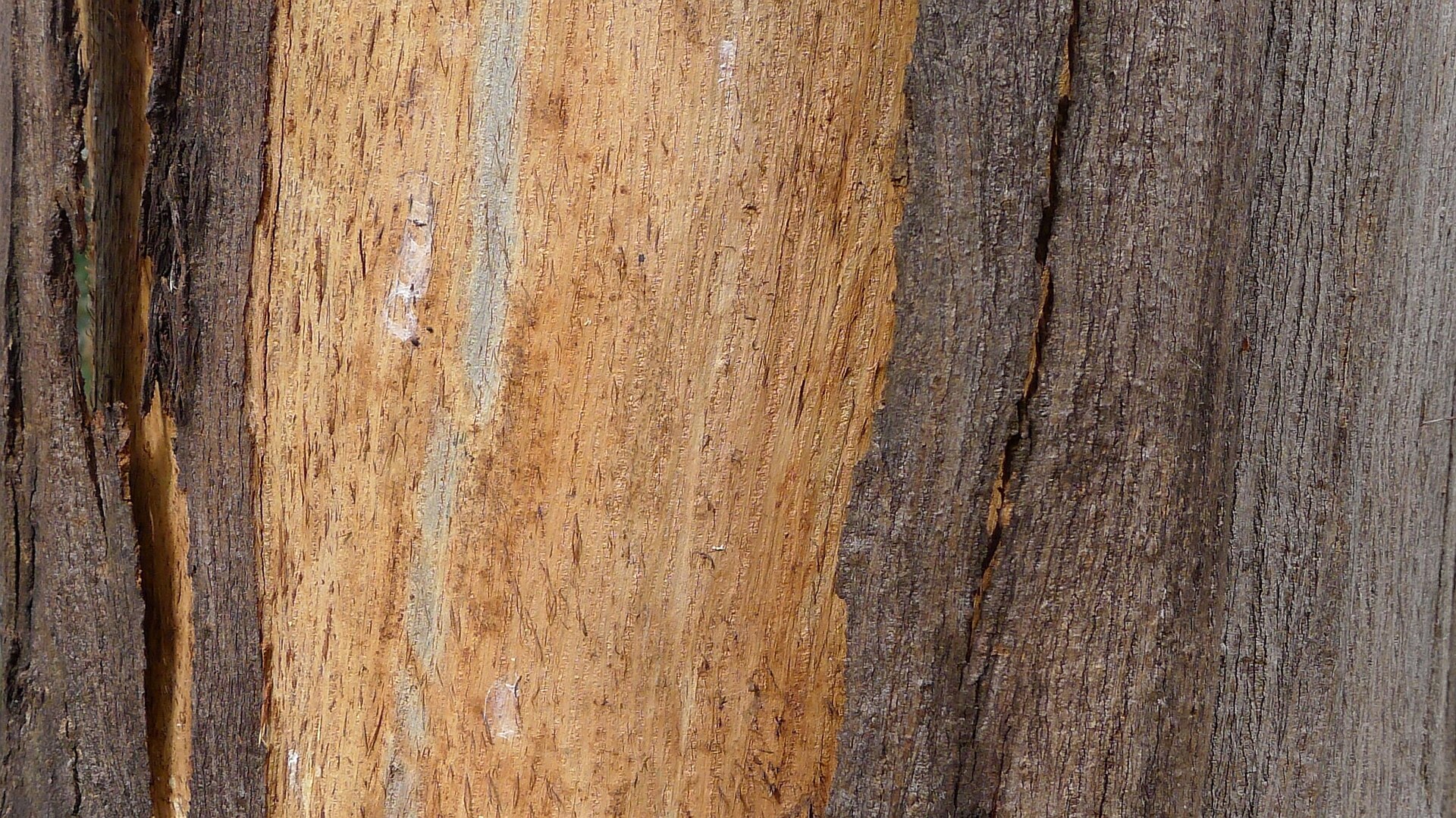
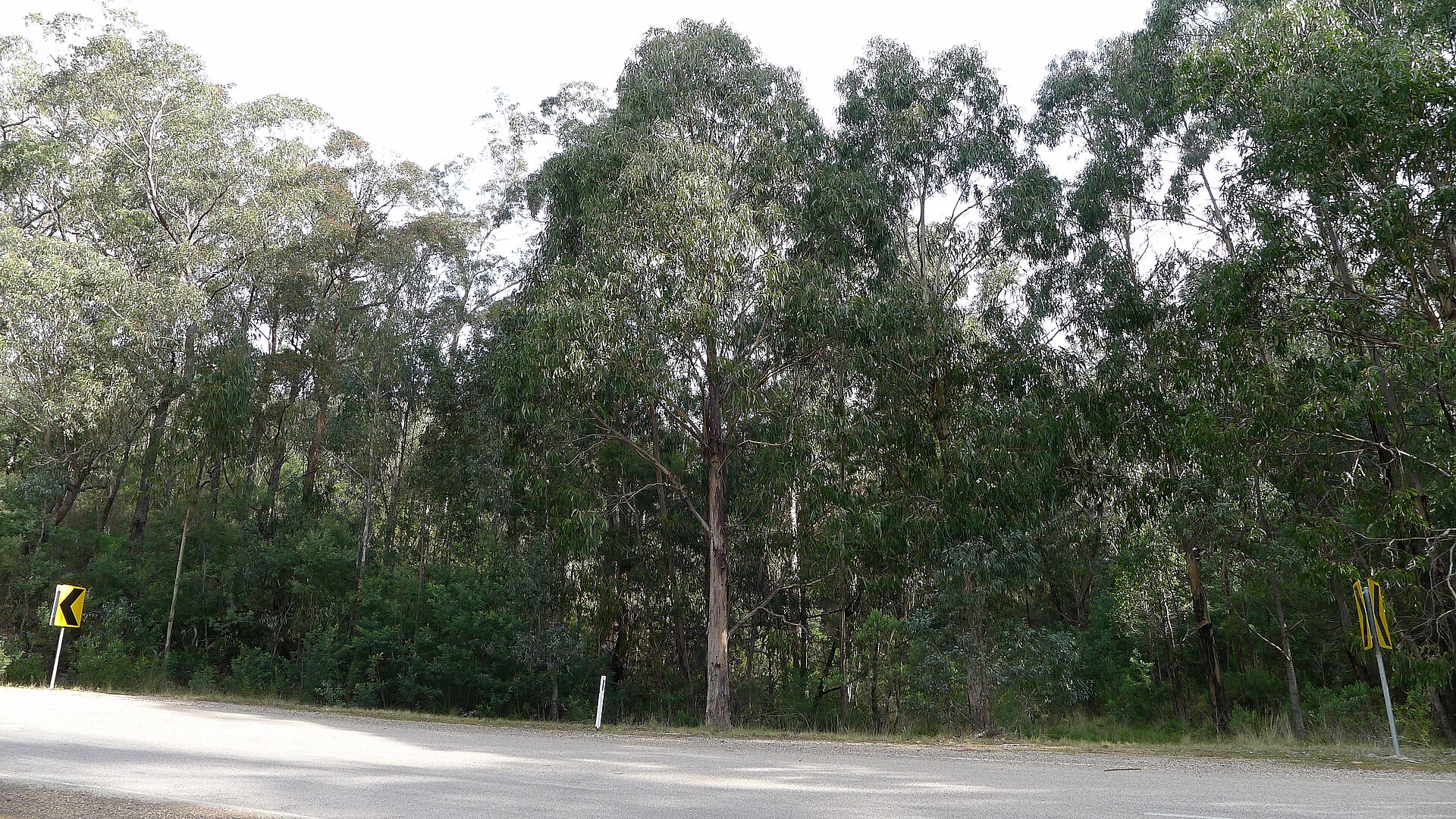
 Blue gum — Mature tree
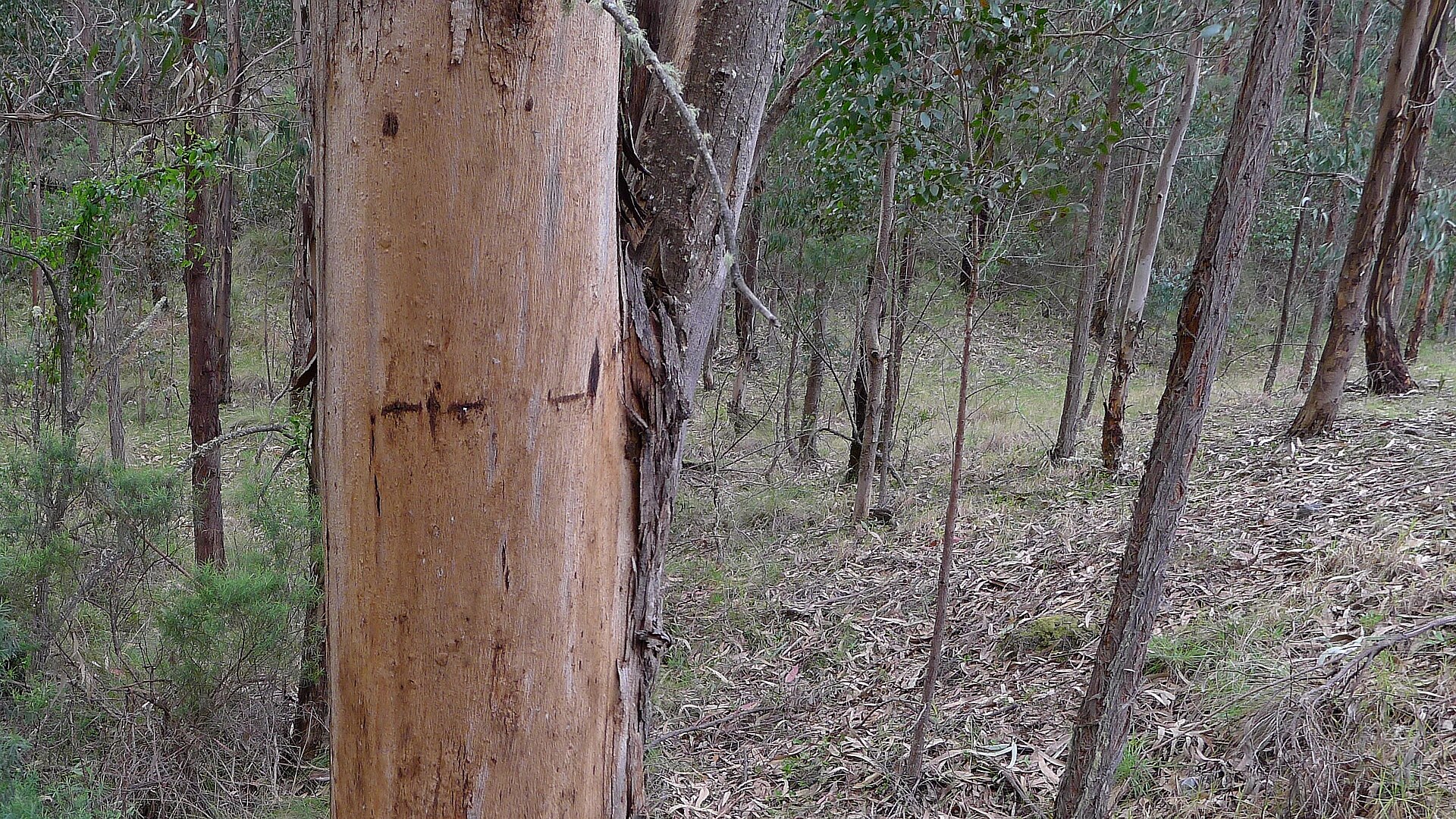
 Blue gum — In the forestBlue gum — Leaves
Photo credits: John Tann from Sydney, Australia (CC BY 2.0)
Overview
Blue gum is an evergreen native to south-eastern Australia — Tasmania, Victoria, New South Wales and South Australia — typically 30–55 m tall with smooth blue-grey bark that sheds in sheets. Adult leaves are sickle-shaped, glossy green and rich in oil glands; the species is the primary food of koalas. Economically, plantations in Brazil, Portugal and Spain anchor a major pulp industry, while fresh leaves are distilled for oil.
Leaf oil yields 70–85% eucalyptol (1,8-cineole), used as an expectorant, decongestant and disinfectant; concentrated ingestion is toxic, so it is used externally or as directed. The tree grows fast and resprouts well after cutting, though dense planting has prompted debate in some regions over water use and pressure on native flora.
Life cycle
From seed to productSeed
Blue gum seeds are tiny; they are sown on freshly cleared ground with the surface kept evenly moist.
Germination
Seeds germinate on freshly cleared ground after the rains, while the soil still holds its moisture.
Seedling
The seedling demands full sun and grows fast, with silvery waxy juvenile leaves quite unlike the sickle-shaped adult foliage.
Mature plant
Trees reach 30–55 m, shedding bark in sheets to stay smooth and resist moss; solitary white flowers in leaf axils attract insects.
Harvest
Plantations are felled on short rotations for pulp and timber; fresh leaves are also steam-distilled for eucalyptol-rich oil.
Distribution & origin
Share of recorded occurrences by region- Brazil30%
- Portugal · Spain20%
- India13%
- China12%
- Australia10%
- Ethiopia · Uruguay · Argentina · others15%
Chemical composition
Relative content in agarwood resin- 1,8-Cineole (eucalyptol)Cool, expectorant note76%
- α-PinenePiney nuance9%
- LimoneneLight citrus-peel note4%
- α-TerpineolFaint floral tone3%
- Othersp-Cymene, globulol and traces8%
Uses
- Distilled oil for decongestants and expectorants
- Industrial plantation for pulp and timber
- Charcoal, biomass pellets and fuel
- Windbreaks, landscaping and folk medicine
Properties
- Scent
- Menthol-cool, lightly camphoraceous
- Adult leaves
- Sickle-shaped, densely glandular
- Timber
- Dense, pale grey, fairly durable
- Distillation
- Steam distillation of fresh leaves
Habitat & conservation
Moist tall forest on riverbanks and hillsides of subtropical Australia, on deep fertile, well-watered soils; native to well-rained areas, tolerating light frost and short drought.
Conservation
Not Evaluated globally by the IUCN. Native forest has been reduced by farming, but millions of plantation hectares worldwide keep the species secure; some subspecies carry regional conservation rankings in south-eastern Australia.
References
- 1Plants of the World Online — Eucalyptus globulus — , 2024
- 2Global Forest Resources Assessment 2020 — , 2020
- 3Eucalyptus globulus — đặc điểm, gỗ, tinh dầu — English Wikipedia, 2026
- 4Bạch đàn — trồng rừng ở Việt Nam, công dụng — Vietnamese Wikipedia, 2026
- 5Eucalyptus in plantation forestry — tăng trưởng nhanh, gỗ dăm — FAO — Planted Forests, 2020
- 6Nguồn ảnh: Alexkom000 (CC BY 4.0) / Ymblanter (CC BY-SA 4.0) / Awinch1001 (CC BY 4.0) — Wikimedia Commons,