Rice
Oryza sativa L.
Rice (Oryza sativa) is one of the world's foremost food crops, feeding roughly half of humanity; its two main groups are japonica and indica.
No ratings yet — be the first!
Gallery
 Rice — PanicleCánh đồng trong nắng
 Lá xanh
 Lúa · ảnh 3
 Rice — Paddy field
 Rice — Plant in flowerRice — PanicleCánh đồng trong nắng
Photo credits: த*உழவன் (CC BY-SA 3.0) · Desmanthus4food (CC BY-SA 3.0 us) · Pratap pudota (CC BY-SA 3.0)
Overview
Rice is an annual grass 0.7 – 1.2 m tall that thrives in 5 – 10 cm of standing water, where weeds and many pests compete poorly — a form of natural weed control. The crop was domesticated roughly 8,000 – 10,000 years ago in the Yangtze basin and spread across Asia; the japonica and indica groups suit temperate and tropical climates respectively.
A crop cycle runs from land preparation and seedling raising to transplanting or direct seeding, panicle emergence and ripening, harvested at 13 – 14% moisture. Milling removes husk and bran to produce white rice; rice bran is rich in B vitamins and bran oil. The Mekong Delta can grow two to three crops a year, while many other regions manage only one.
Life cycle
From seed to productSeed
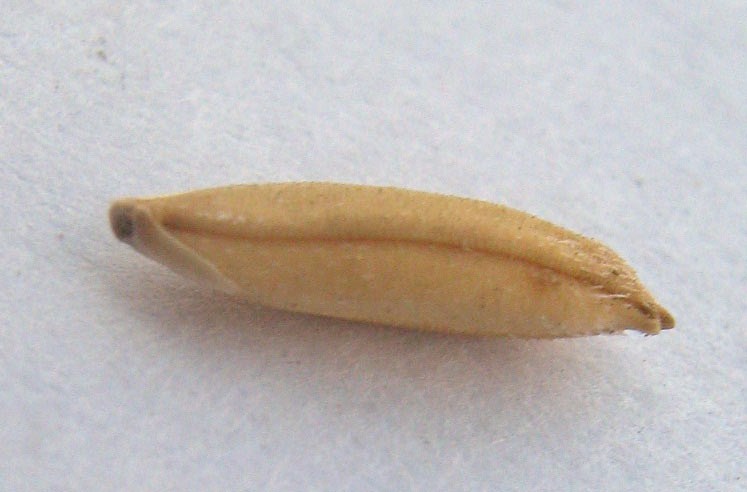
The seed is paddy — a grain still in its husk — stored at up to 14% moisture before sowing.
Germination
Pre-germinated seed is sown in a seedbed, where it grows for 3 – 4 weeks before transplanting.
Seedling
Seedlings are transplanted or direct-seeded into flooded fields; the young plant tillers and takes nutrients from the mud during the first 30 – 40 days.
Mature plant
The mature plant stands 0.7 – 1.2 m in 5 – 10 cm of standing water, and the whole crop cycle runs 90 – 130 days.
Heading & grain filling
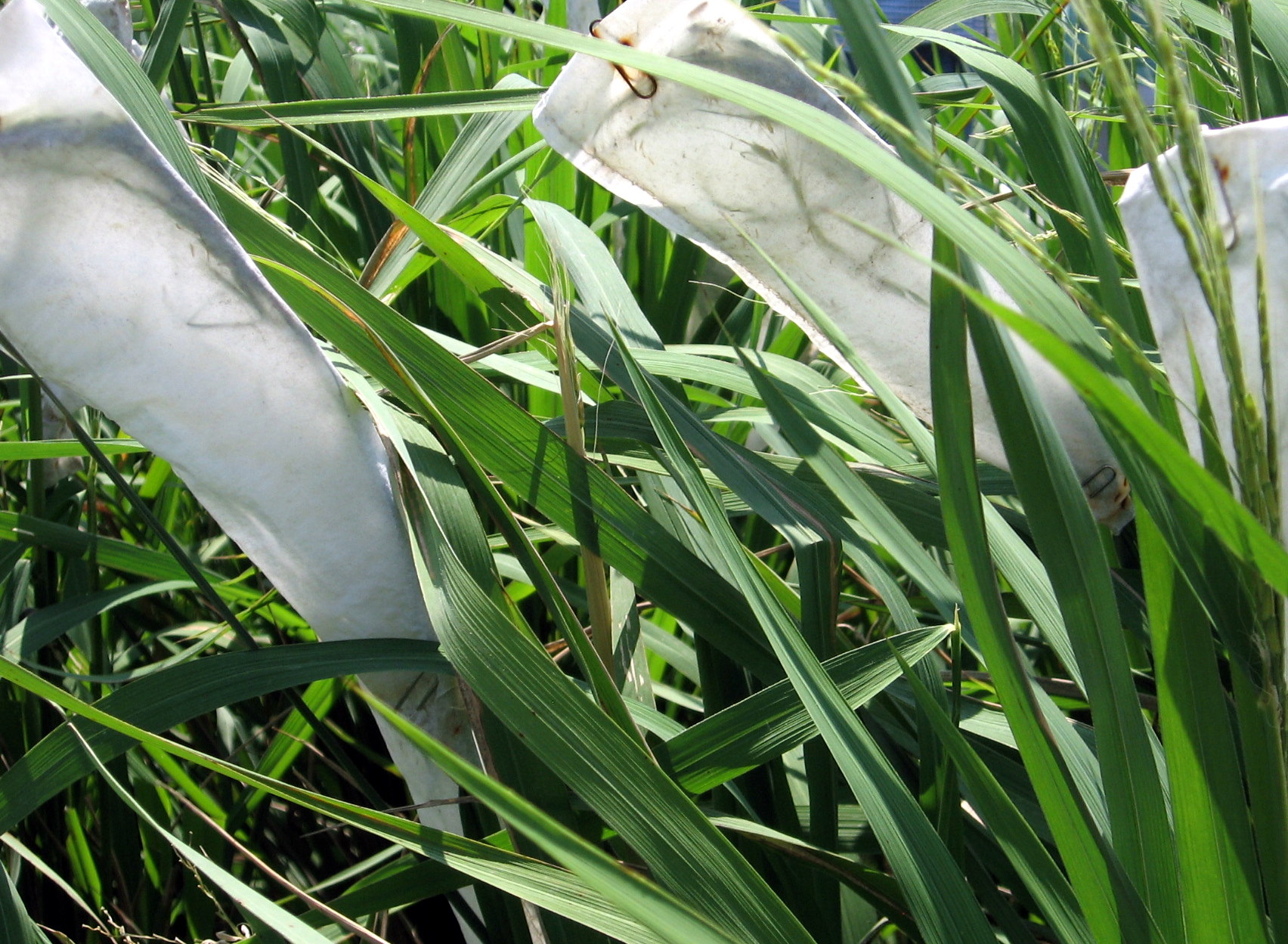
Panicles emerge from the sheath and self-pollinate; nutrients move into the grain, which fills and ripens gold in 30 – 40 days.
Harvest
Rice is harvested at 13 – 14% moisture, dried and then milled to remove husk and bran, yielding white rice.
Distribution & origin
Share of recorded occurrences by region- China27%
- India24%
- Indonesia7%
- Vietnam6%
- Bangladesh & Thailand10%
- Other regions26%
Chemical composition
Relative content in agarwood resin- StarchAmylose and amylopectin76%
- ProteinsMostly oryzenin in the bran8%
- Fibre & branRemoved when polishing white rice10%
- LipidsBran oil2%
- Vitamins & mineralsB vitamins, phosphorus, magnesium4%
Uses
- Staple food: steamed rice, noodles, flat rice sheets
- Industrial and pharmaceutical starch
- Straw for bedding, livestock feed and weaving
- Rice-based alcoholic and fermented beverages
Properties
- Starch profile
- High amylose in indica (glutinous > 95% amylopectin)
- Storage moisture
- ≤ 14%
- Aroma compound
- 2-AP (2-acetyl-1-pyrroline)
- Paddy bulk density
- ≈ 0.55 – 0.65 g/cm³
Habitat & conservation
Flooded fields across tropical and temperate Asia with 5 – 10 cm of water, 20 – 35 °C, 1,200 – 2,000 mm of rain or irrigation a year, on water-retentive, organic loam or clay loam.
Conservation
Not Evaluated (NE) by the IUCN. Local landraces are shrinking as high-yielding hybrids spread; the International Rice Research Institute genebank keeps about 130,000 rice accessions. The main pressures are farmland loss, salinity intrusion in deltas and pests such as the brown planthopper and rice blast.
References
- 1FAOSTAT — Crops and livestock products — , 2023
- 2World Rice Statistics — , 2024
- 3IRRI Genebank — Rice accessions — , 2023
- 4Nguồn ảnh: Basile Morin (CC BY-SA 4.0) — Wikimedia Commons,
- 5Nguồn ảnh: Sajib5467 (CC0) — Wikimedia Commons,