Burmese padauk
Pterocarpus macrocarpus Kurz
Burmese padauk (Pterocarpus macrocarpus) is a prized red-wood tree of Southeast Asia's deciduous forests, yielding fragrant, beautifully figured timber for fine furniture and craftwork.
No ratings yet — be the first!
Gallery
 Burmese padauk (Pterocarpus macrocarpus)
 Burmese padaukBurmese padauk (Pterocarpus macrocarpus)
Photo credits: James J. Ludemann (CC BY 3.0) · Philipp Zinger (CC BY-SA 4.0)
Overview
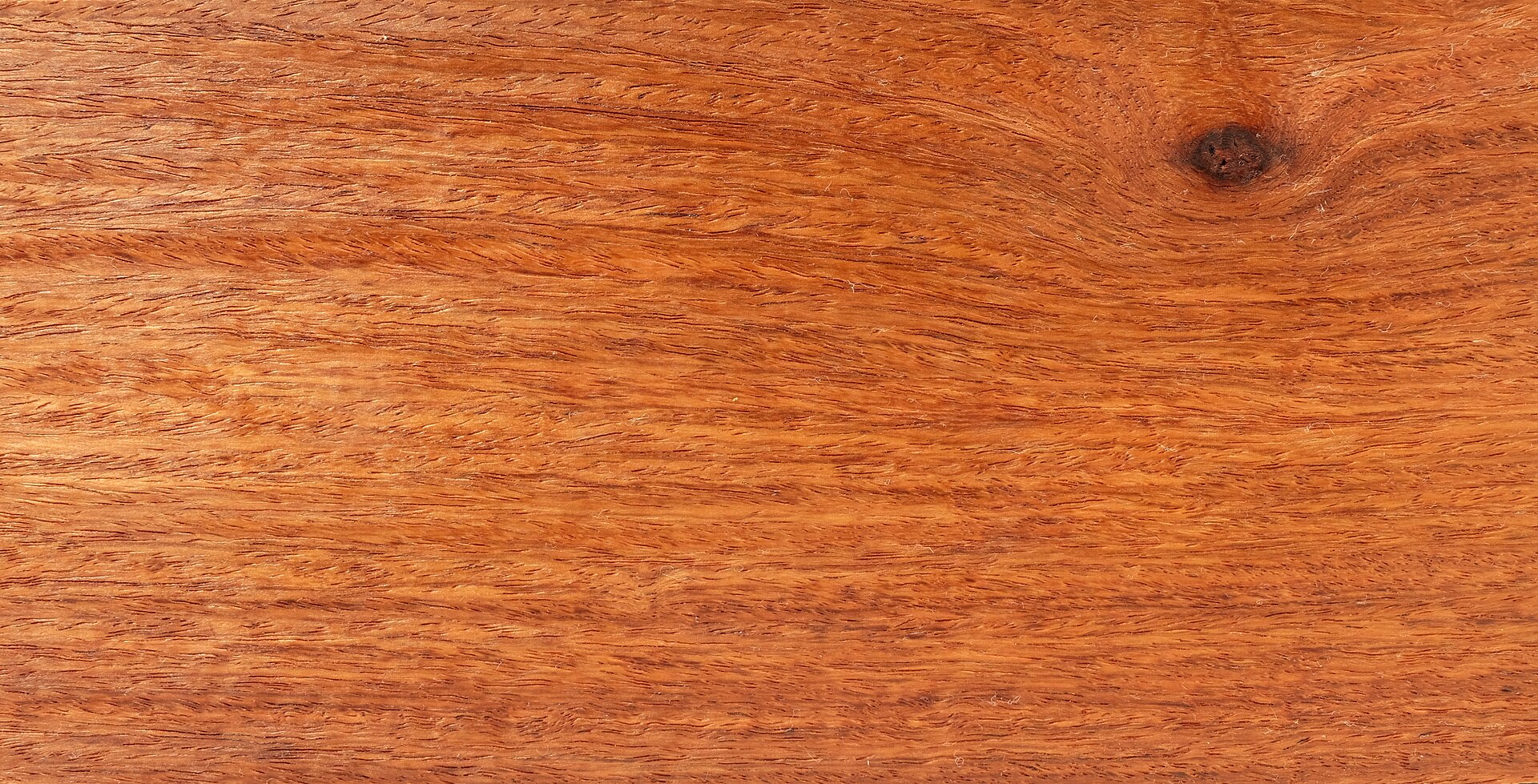
A large deciduous tree, 20–30 m tall, with a straight, greyish-brown trunk. The heartwood is red-brown, fine-grained, faintly fragrant, durable and easy to work — favoured for furniture and carving, and one of the rosewood (hongmu) species under international trade scrutiny.
It grows in deciduous and dry dipterocarp forest on poor soils, from Myanmar through Thailand, Laos and Cambodia to Vietnam. The winged fruit is wind-dispersed. The genus Pterocarpus has long been known for red dyes; padauk timber is increasingly scarce from over-logging for the red-wood furniture trade.
Life cycle
From seed to productSeed
Padauk seed lies inside the winged fruit, which drifts on the wind before dropping; ripe fruit is collected and sown at once on moist mineral soil to keep viability.
Germination
Seeds germinate on moist mineral soil at the start of the rainy season, when the rains supply the moisture the seed needs.
Seedling
The seedling establishes in canopy gaps, growing slowly and tolerating full sun and poor soils through the dry season.
Mature plant
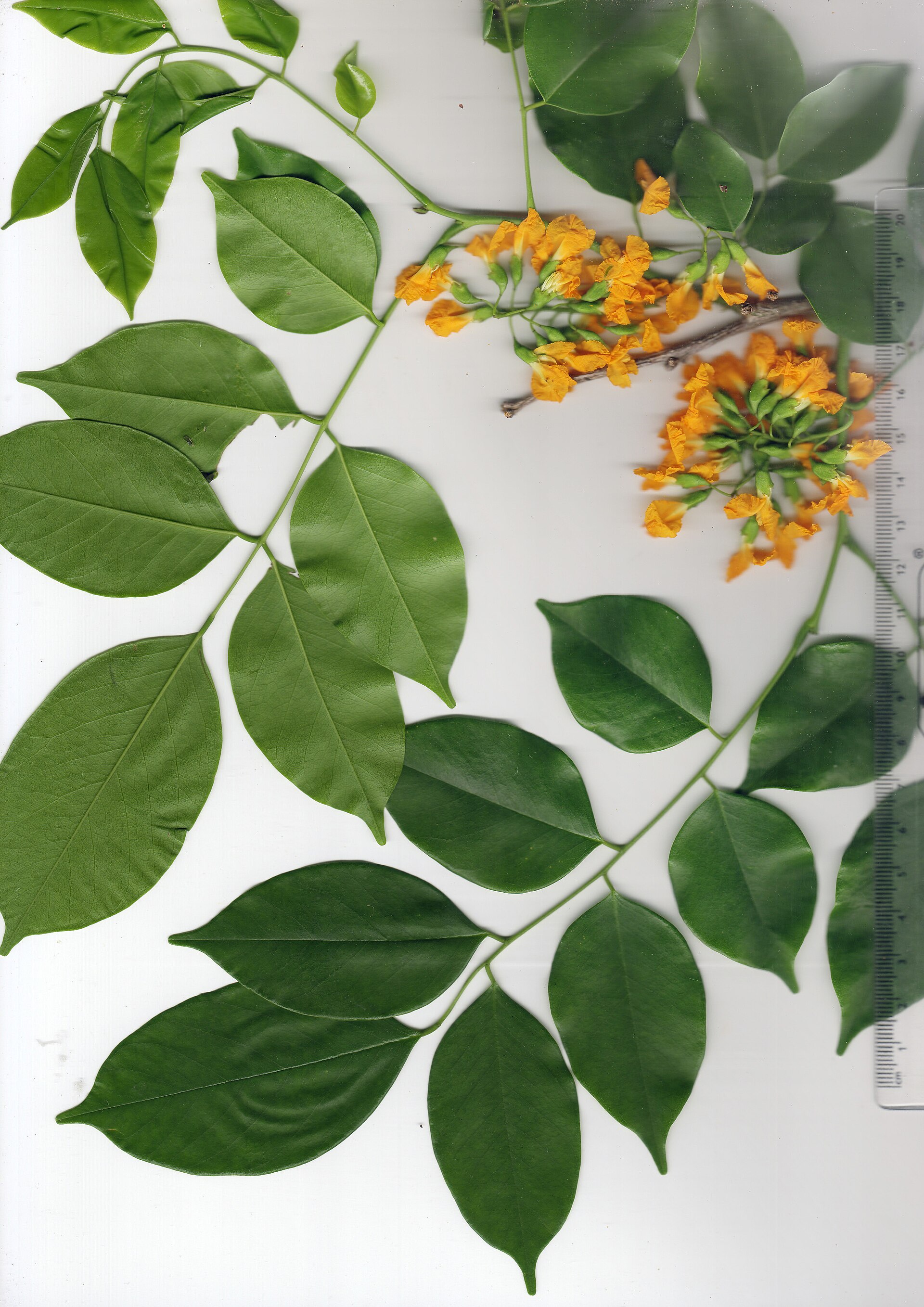
After 20–30 years the tree reaches 20–30 m, drops its leaves in the dry season and bears yellow flowers; the fragrant red-brown heartwood gradually forms.
Logging
Logs are sawn, dried and polished into furniture and carvings; over-harvesting continues to weigh heavily on wild populations.
Distribution & origin
Share of recorded occurrences by region- Myanmar26%
- Thailand24%
- Laos18%
- Cambodia14%
- Vietnam14%
- Other regions4%
Chemical composition
Relative content in agarwood resin- CelluloseStructural cell-wall polymer44%
- HemicelluloseMatrix polysaccharide21%
- LigninGives rigidity and durability29%
- Extractives (red pigments)Flavonoids behind the red-brown hue6%
Uses
- Fine furniture and woodcraft
- Carving, statues and relief work
- Flooring, panelling and interior trim
- Musical instruments and handicrafts
- Red dye extracted for traditional dyeing
Properties
- Colour
- Red-brown to dark red
- Grain
- Fine, well figured
- Scent
- Faintly fragrant
- Durability
- Durable, fairly termite-resistant
Habitat & conservation
Tropical deciduous and dry dipterocarp forest on poor soils with a marked dry season, on lowlands and lower foothills; ranging from Myanmar through Thailand, Laos and Cambodia to Vietnam.
Conservation
IUCN classifies Pterocarpus macrocarpus as Endangered (EN). Its timber is among the rosewoods smuggled across borders for furniture, and several Pterocarpus species are managed under CITES trade controls; wild populations have declined sharply in many areas under harvesting pressure.
References
- 1Global Status of Dalbergia and Pterocarpus Rosewood Producing Species in Trade (CoP17 Information Document 48) — CITES, 2016
- 2Quantifying the illegal high-value rosewood trade — Biological Conservation, 2022
- 3Pterocarpus macrocarpus — Plants of the World Online — Royal Botanic Gardens, Kew, 2024